Research and teaching
My current arts education research explores how interconnected partnerships between schools, arts organisations, and community spaces — framed by Artsmark education programmes at Goldsmiths — can challenge inequity and support inclusive arts learning for young people. Drawing on critical feminist, anti-colonial, and relational theories, alongside my recent writing on arts education in “third spaces,” this research in art education examines cultural collaboration, embodied pedagogy in education, and youth-led arts practice as pathways to critical consciousness and social transformation. Through participatory action research, arts-based methods, and multi-sited ethnography in arts, I co-create approaches with teachers, practitioners, and young people to strengthen equitable collaboration across education ecosystems.
As a visiting lecturer in art education at the Institute of Education, UCL, and a member of the Goldsmiths Artsmark team, my arts education teaching frameworks support schools to develop action research and impact assessment approaches that embed creative learning in schools. This work centres anti-oppressive teaching and translates research into practical tools that help schools achieve Artsmark status while driving meaningful pedagogical change.
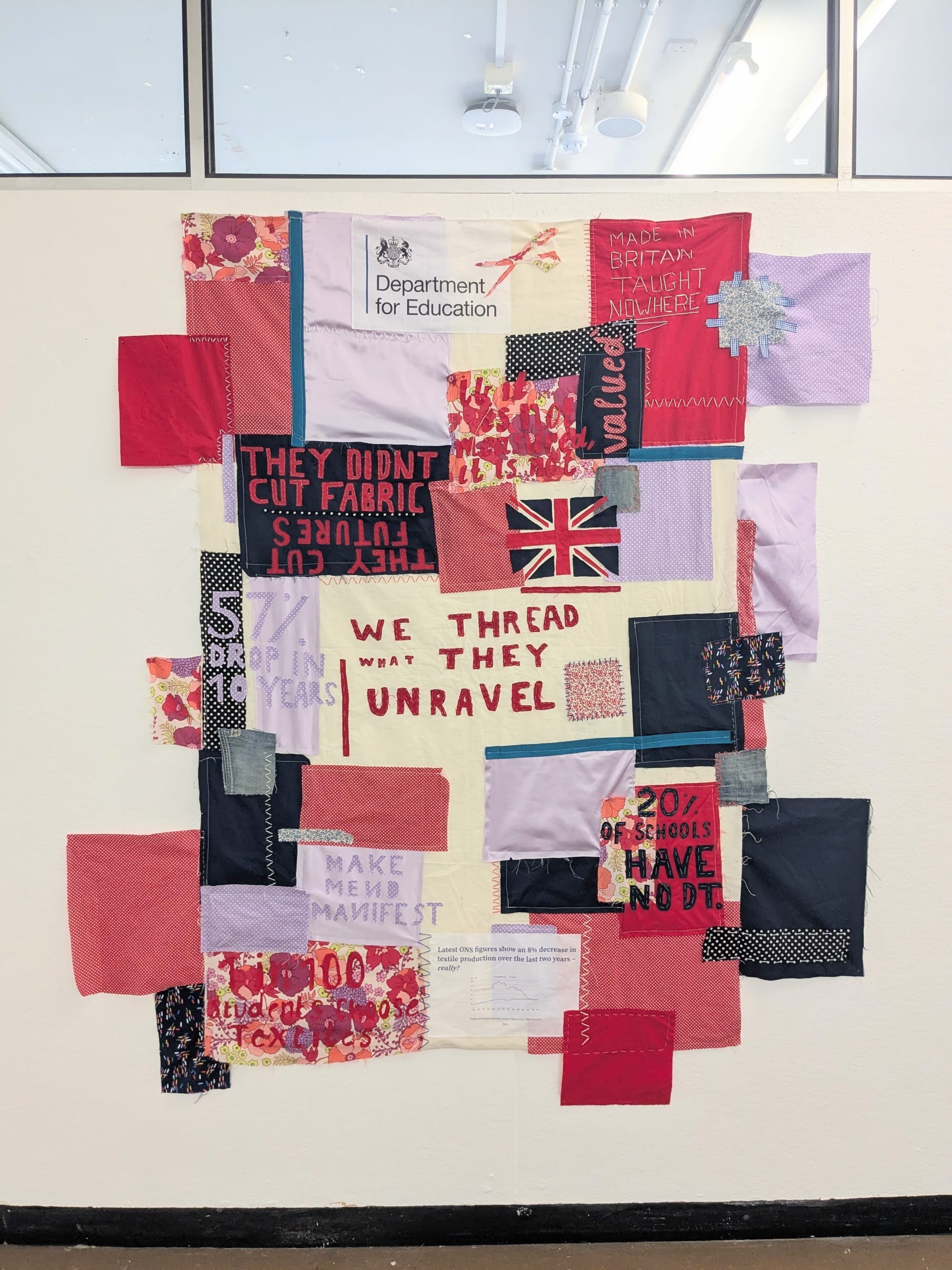
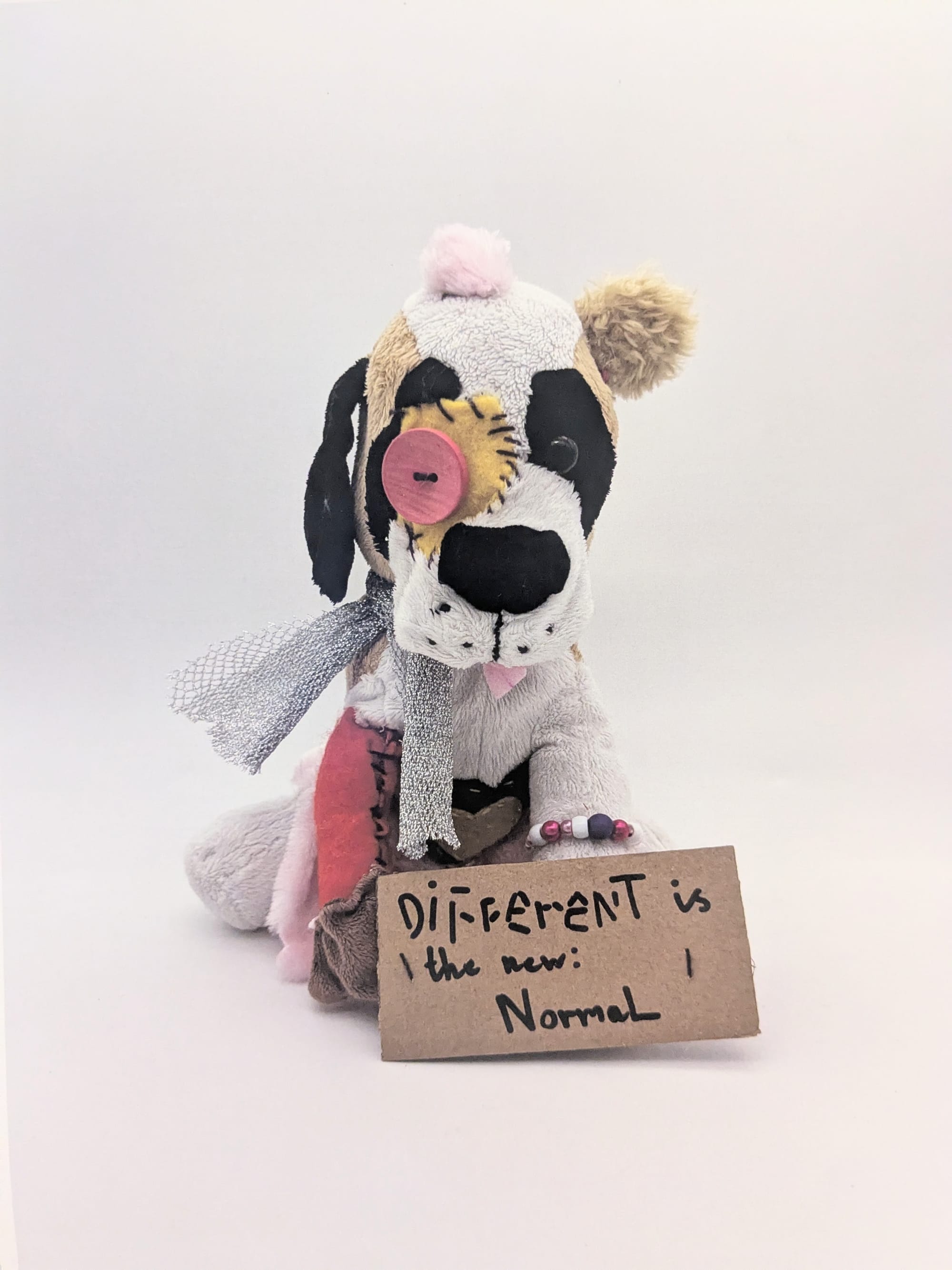
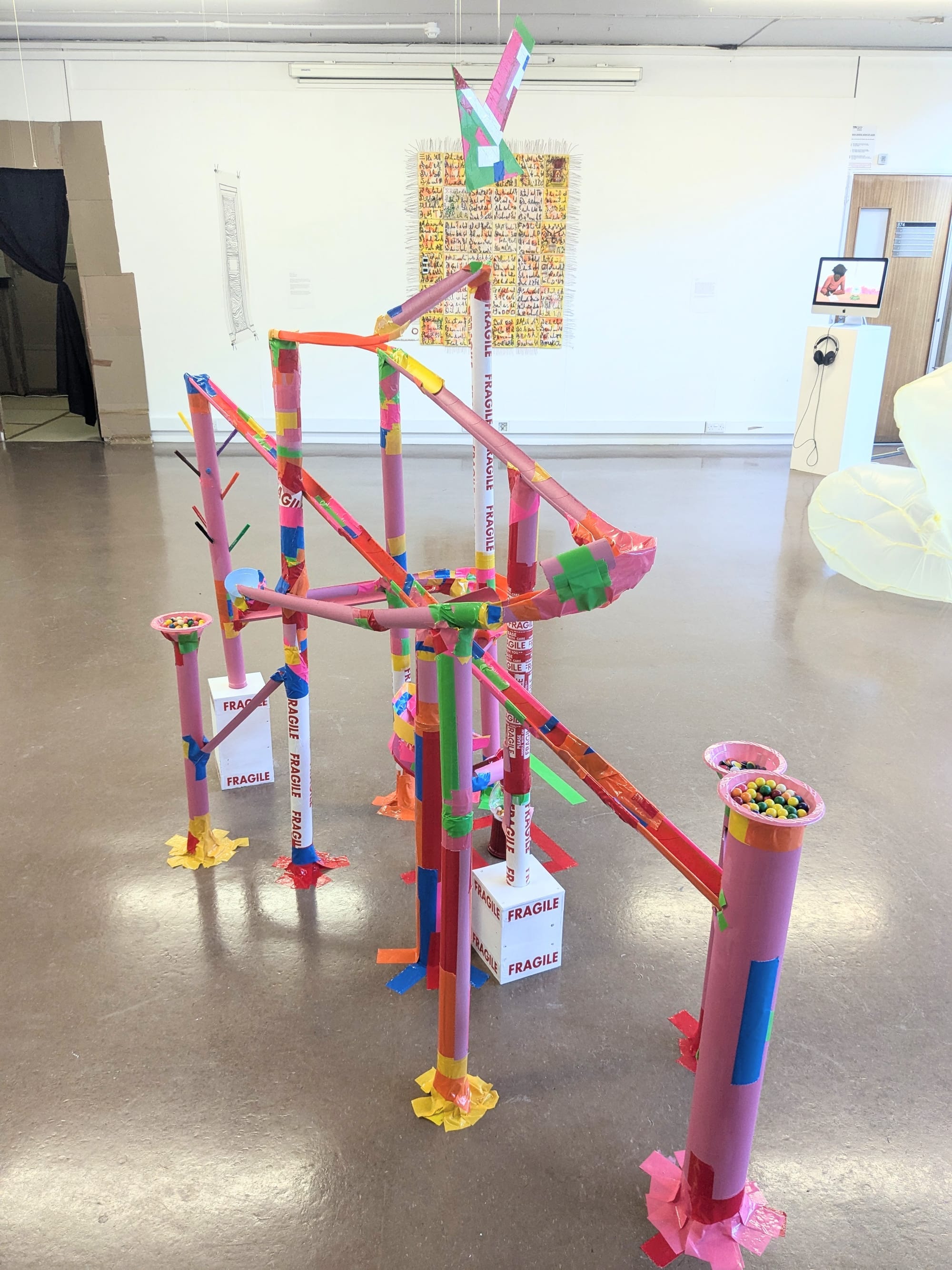
IOE - PGCE exhibition 2025
Publications
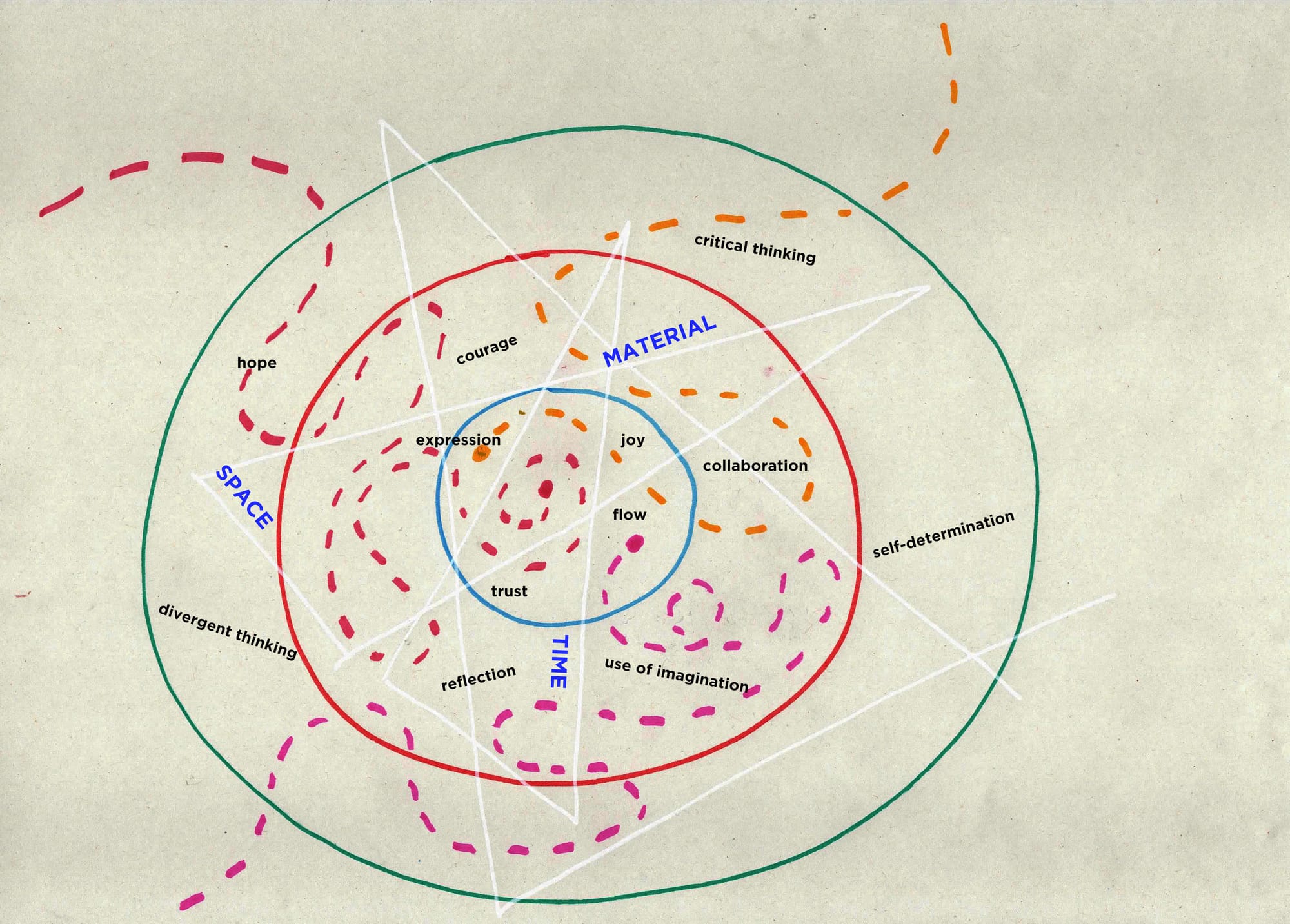
FREQUENTLY ASKED QUESTIONS:
1. What is the focus of your research and teaching work?
My research explores how partnerships between schools, arts organisations, and community spaces can challenge inequity and support inclusive, anti-oppressive arts learning for young people through collaborative and creative practice.
2. What is the Goldsmiths Artsmark programme and how does it inform your work?
Artsmark is a national programme supporting schools to embed arts, culture, and creativity. My work with the Goldsmiths Artsmark team focuses on action research, impact assessment, and translating research into practical tools for schools.
3. What research methods do you use in your work?
I use participatory action research, arts-based methods, and multi-sited ethnography, working collaboratively with teachers, practitioners, and young people to co-create meaningful and equitable learning frameworks.
4. How does your teaching connect research with practice?
As a visiting lecturer in art education at UCL’s Institute of Education, I integrate research directly into teaching and school-based practice, supporting educators to apply critical, creative, and inclusive approaches in real-world settings.
5. Who is this research and teaching work most relevant for?
This work is relevant for educators, arts practitioners, researchers, and organisations interested in inclusive arts learning, youth-led practice, anti-oppressive pedagogy, and collaborative approaches across education and community contexts.