Creative, embodied coaching for people in care, justice and education work
A lot of the people I work with are doing important, values-led work in difficult conditions. They're holding teams, running organisations, teaching, creating, advocating. They're often the ones who make space for everyone else, and rarely have that space made for them.
This coaching is for you if you're feeling stuck, overwhelmed, or disconnected from yourself. If you're navigating burnout, transition, or the slow grind of working in systems that weren't built for the kind of care you're trying to offer. If you want to reconnect with what matters, find your footing, and move forward from a place that's genuinely yours.

What this coaching actually looks like
Every session begins with grounding. Not as a formality, but as the real work. Starting from a settled place, rather than arriving straight from a difficult meeting or a packed commute, changes what becomes possible in the conversation that follows.
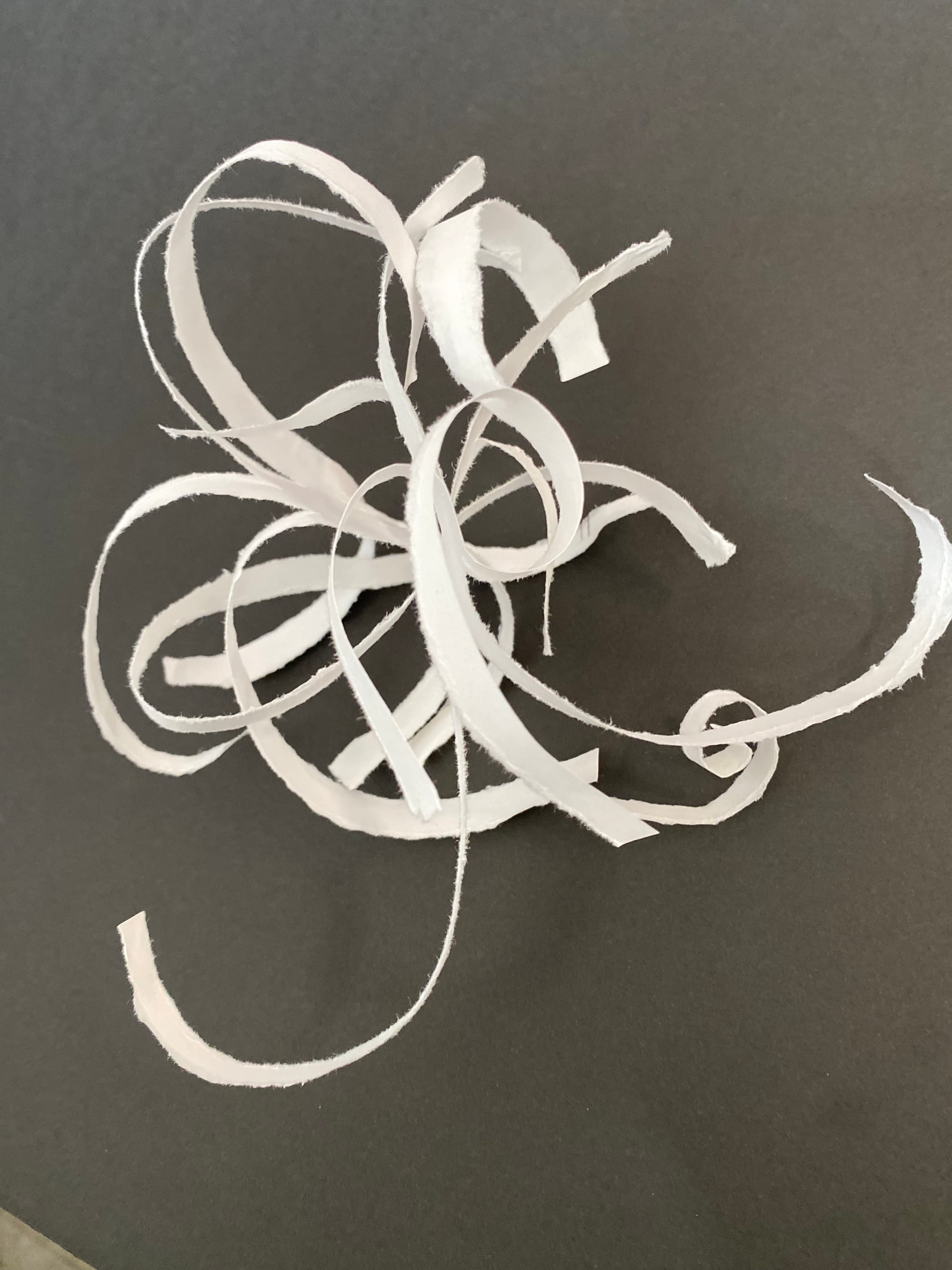
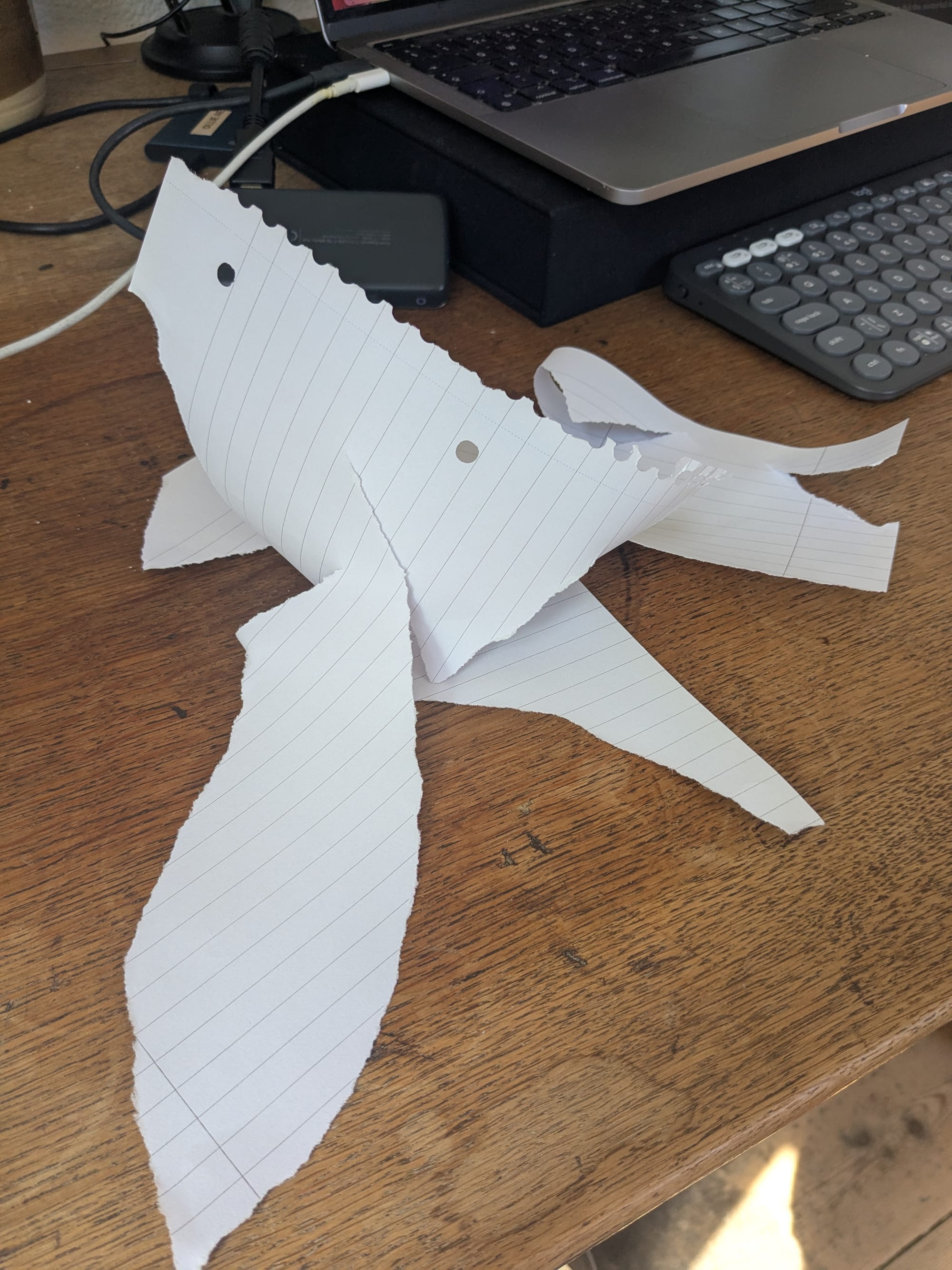
From there, we work with more than words. I use simple making practices and material prompts, drawing on my background in arts education and embodied facilitation, to help surface what's actually present. What your hands know, what your body is carrying, what hasn't yet found language. These aren't art therapy exercises. They're thinking tools. A way of accessing different kinds of intelligence and letting something genuine emerge, rather than rehearsing the story you already know.
Then we talk. We follow what came up, make sense of it, and work out what it means for how you want to move forward.
Between sessions, I offer gentle provocations. Small things to notice, questions to sit with, simple practices to try. Nothing onerous. Just something to keep the thinking alive in ordinary life.
This approach is informed by training in embodied activism with Embody Lab (Nkem Ndefo and Ray Johnson), a Level 7 coaching qualification, and fifteen years of practice at the intersection of arts education, organisational development, and social justice. I work with adrienne maree brown's emergent strategy as an orienting framework, and I bring a deep understanding of the systems my clients work within because I've worked within them too.
This is not therapy. It's a thinking partnership that works through the body and the hands as much as through words.
Who this is for
People working in education, arts, care, and social justice who are carrying a lot. This might include:
- Teachers, school leaders, and educators navigating workload, purpose, and burnout
- Leaders and founders of arts organisations, charities, and community organisations
- People embarking on or deepening anti-racism and justice work, in themselves or their organisations
- Creative practitioners wanting to reconnect with their practice and direction
- Anyone in a caring or values-led role who needs a space that is genuinely theirs
Sessions and pricing
Sessions are 60 minutes and available online or in person. I offer three entry points:
Reset Session: A single session to bring clarity to something specific you're carrying right now.
Block of 3 sessions: Focused support to shift a pattern, work through a transition, or develop practical strategies.
Block of 6 sessions: Deeper work over three months, fortnightly. Space to do something real.
Pricing per session:
- Concession rate (organisations under £100k turnover or individuals on lower incomes): £60
- Standard rate: £90
- Organisational or leadership rate: £120
If cost is a barrier, please get in touch. I hold a small number of heavily discounted spaces for people whose work I believe in.
What people say
"Ollie's warm and open approach was invaluable in helping me work through my priorities regarding ways to move forward in my career. His approach empowered me to find value in my work, to allow this value to lift my expectations for the future, and to help me formulate concrete plans." — Sound artist and educator, Kent
"Ollie helped me formulate and articulate some thoughts and feelings that had been ruminating for a while. His empathetic and respectful listening skills allowed me to feel heard and empowered me to lead my own way through." — Play Therapist, Kent
Start here
Book a free 30-minute chemistry call. No pressure, no commitment. Just a conversation about where you're at and whether this feels like a fit.
Or email info@mycocreative.co with any questions. I have a small number of spaces available and I'd love to hear from you.
Questions
Is this therapy? No. Coaching and therapy are different things. I'm not a therapist and this isn't a therapeutic service. If you're in crisis or need clinical support, I'll always point you toward the right resource. What I offer is a structured thinking partnership that works with the whole person, including the body and creative intelligence, but within a coaching frame.
What's the embodied and creative element? Every session begins with a short grounding practice to help you arrive and settle. From there I may offer simple making or reflective exercises, things you can do with whatever's to hand, to help surface what's actually present before we move into conversation. You don't need to be an artist or have any creative experience. You just need to be willing to try something.
Do I have to commit to a block? No. You can start with a single reset session and decide from there. Most people find the block of 6 gives them enough time and space to do something genuinely transformative.
Can my organisation fund this? Yes. Many clients access coaching through CPD budgets, staff wellbeing funds, or leadership development programmes. I can provide an invoice and a brief outline of the work if needed.
What if I can't afford the standard rate? Please ask. I offer a concession rate and hold a small number of discounted spaces. I don't want cost to be the reason someone doesn't access support they need.