Evaluation Services for Arts, Learning and Social Justice Projects
Creative, participatory, and justice-oriented evaluation frameworks for arts, learning, and community contexts. I offer arts evaluation services that support reflection, learning, and meaningful change through collaborative and arts-based approaches. My work in arts and social justice evaluation is grounded in participatory practice, creative learning, and community-based insight, drawing on decolonial and trauma-informed principles. As an evaluation consultant for arts projects, I design evaluation for arts and learning projects that align with your values and amplify real-world impact.
My Evaluation Services
I design and deliver creative evaluation frameworks for arts-based projects, supporting process-driven learning, social justice, and meaningful community impact. As an evaluation consultant for arts projects and cultural evaluation consultant, I provide arts evaluation services grounded in participatory evaluation, arts-based evaluation, and creative learning evaluation.
- Co-Design Frameworks: Collaborative development of evaluation plans and theories (or metaphors) of change with artists, educators, and community stakeholders, ensuring evaluation for arts and learning projects is relevant and values-led.
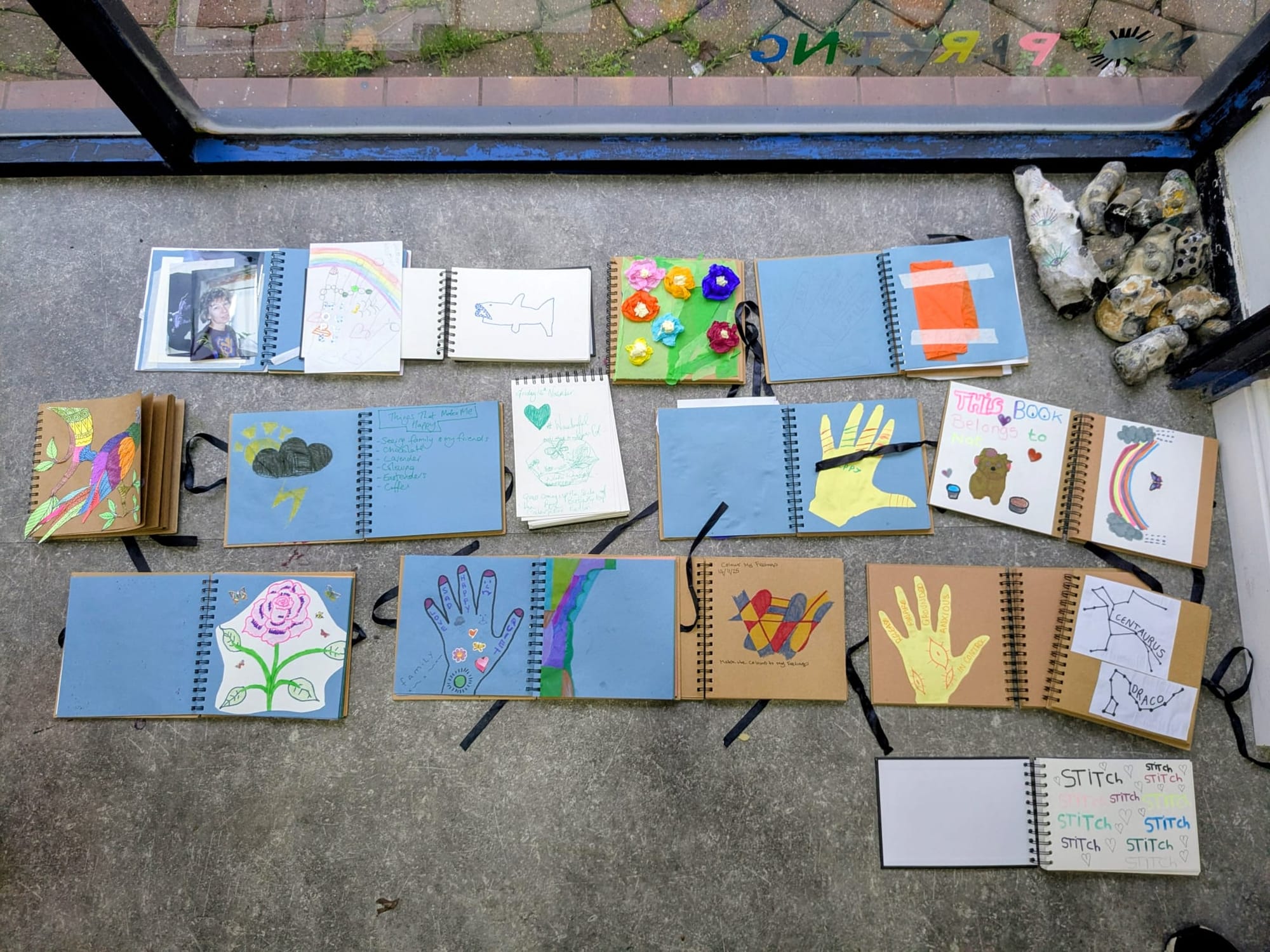
- Mixed-Methods Data Collection: A combination of qualitative and quantitative approaches, using arts-based tools such as visual mapping, body mapping, interviews, surveys, and observations to support community-based evaluation.
- Reporting & Toolkits: Clear, accessible outputs including annual reports, summative evaluation reports, infographics, and replicable learning and evaluation services toolkits.
- Participatory Analysis: Thematic, multimodal, and statistical analysis that centres multivocality and embodied knowledge, informed by decolonial evaluation methods and trauma-informed evaluation principles.
My Approach
Grounded in decolonial, feminist, trauma-informed, and creative principles, our evaluations create reflective and supportive spaces for learning, sense-making, and transformation.
Key Principles
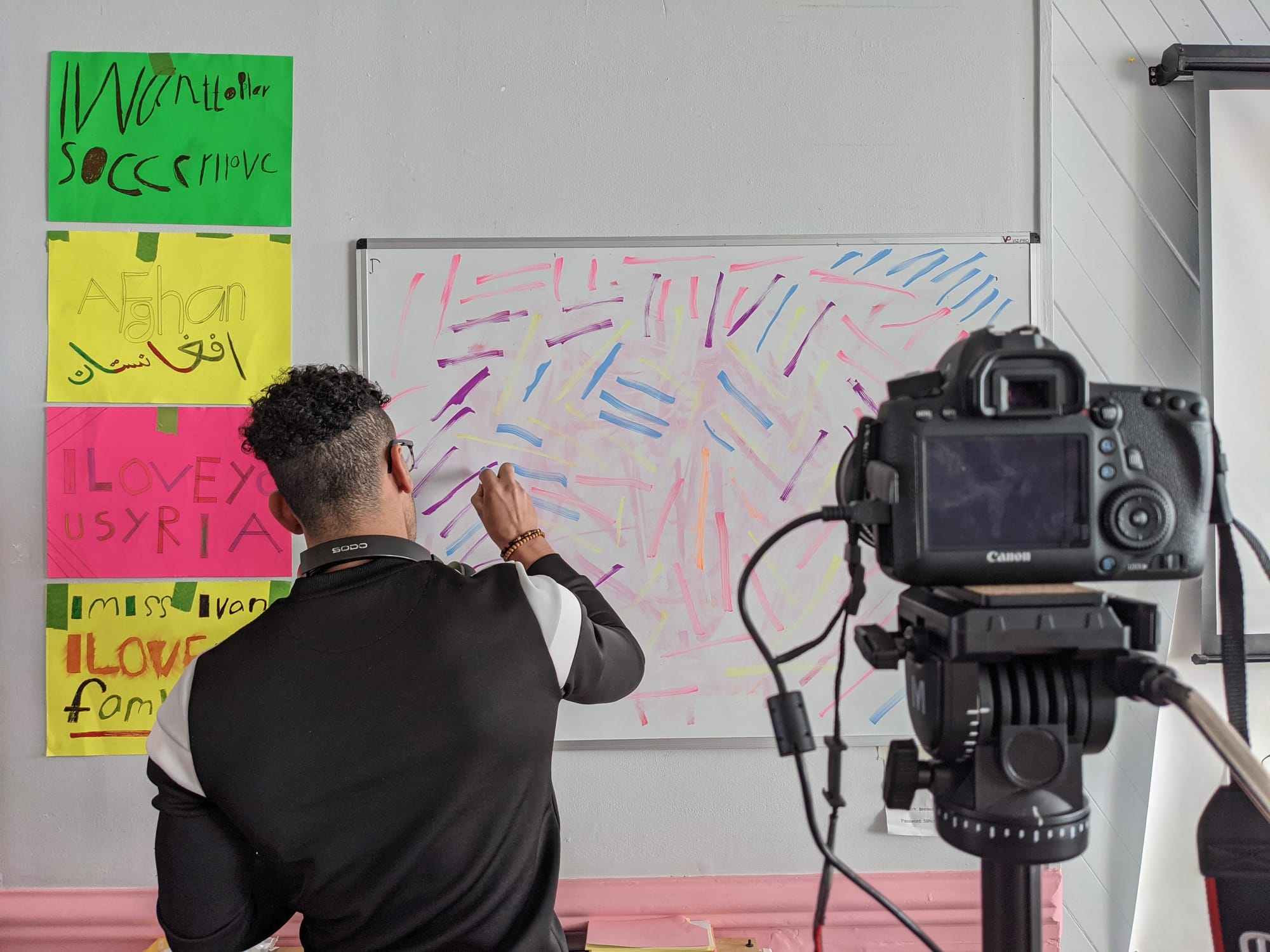
- Process-driven and participatory, valuing relational and sensory knowledge from arts practices.
- Justice-oriented, centering marginalized voices, intercultural dialogue, and systemic change.
- Mixed methodologies: Action research, somatic practices, photo elicitation, and quantitative data.
- Co-produced with artists, educators, participants, and organisations for relevance and ethics.
Weaving joy, hope, and play into rigorous evaluation to honor the fullness of human experience.
Experience
Over the past 10 years, I have developed and refined my approach to evaluation through learning with, and from, the individuals, communities, and organisations I work alongside.
Featured Projects
- Spaces to Explore (The Line): A two-year evaluation of arts-based learning in East London schools, exploring engagement, creativity, and wellbeing through a mixed-methods framework.
- Acts of Solidarity (Autograph): Evaluation of artist development and public engagement for equitable change in arts, using emotion-led, somatic methods. (Tend Toward Justice project)
- Arts Education Exchange (AEE): Development of creative learning and evaluation frameworks for arts-based programmes working with young people.
Ready to Evaluate Your Project?
If you’d like to discuss co-creating an evaluation framework tailored to your arts and justice work, I’d be glad to hear from you.
Email: info@mycocreative.co | Phone: 07792 929225
FREQUENTLY ASKED QUESTIONS:
1. What types of evaluation services do you offer for arts and learning projects?
We provide comprehensive evaluation services including co-design of frameworks, mixed-methods data collection, participatory and creative analysis, and reporting tools that help organisations measure engagement, impact, and learning outcomes in arts, learning and community work.
2. How does a participatory evaluation differ from traditional evaluation?
Participatory evaluation actively involves project participants and stakeholders throughout planning, data collection and analysis, giving voice to the people most affected by the work rather than only relying on external assessment. This approach supports deeper insight and more meaningful learning outcomes.
3. Can your evaluation approach support projects focused on social justice and community impact?
Yes, our evaluation frameworks are designed with justice-oriented and process-driven principles that centre marginalised voices, support intercultural dialogue, and explore systemic change in line with project values and community needs.
4. What methods do you use to collect and analyse evaluation data?
We use a blend of quantitative and qualitative methods including interviews, surveys, arts-based tools like visual and body mapping, observation and thematic analysis — ensuring a rich, mixed-methods understanding of both process and outcomes.
5. How can evaluation help my arts or community project?
Evaluation helps you learn what is working, improve programme design, and demonstrate impact to partners, funders, and participants. It also supports reflection and learning throughout your project lifecycle, not just at the end.