Coaching Through Making: How Arts-Based Methods Deepen Embodied Reflection
In my coaching practice, I’m increasingly drawn to arts-based methods as a powerful way to deepen reflection, embodiment and meaningful change. Arts-based coaching opens up different ways of knowing, inviting clients to work not only with language and ideas, but with the body, the senses and creative materials as part of the coaching process.
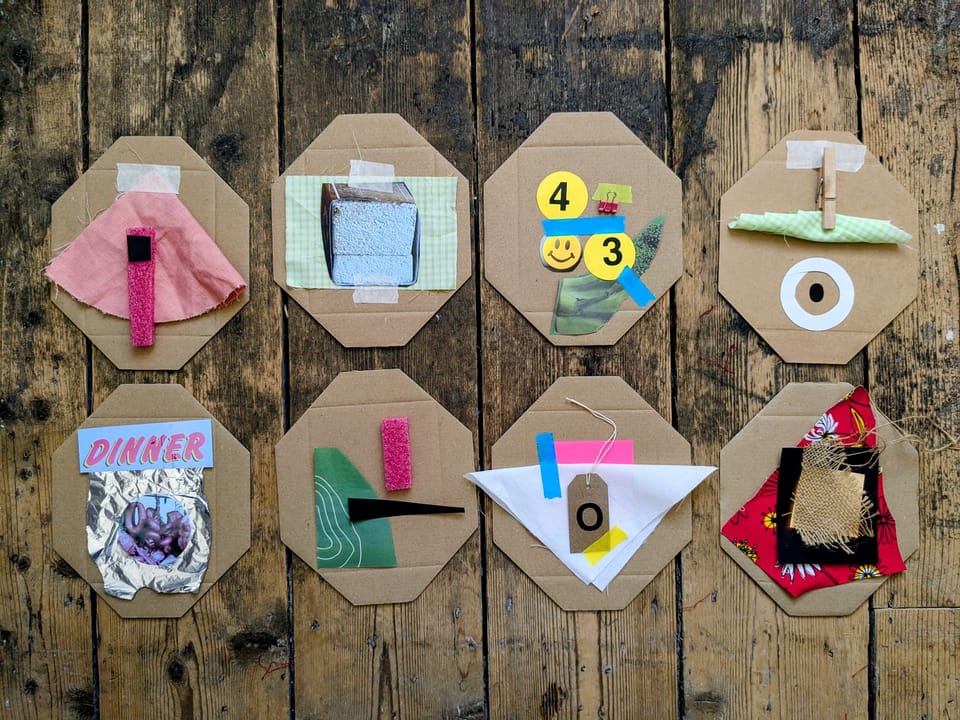
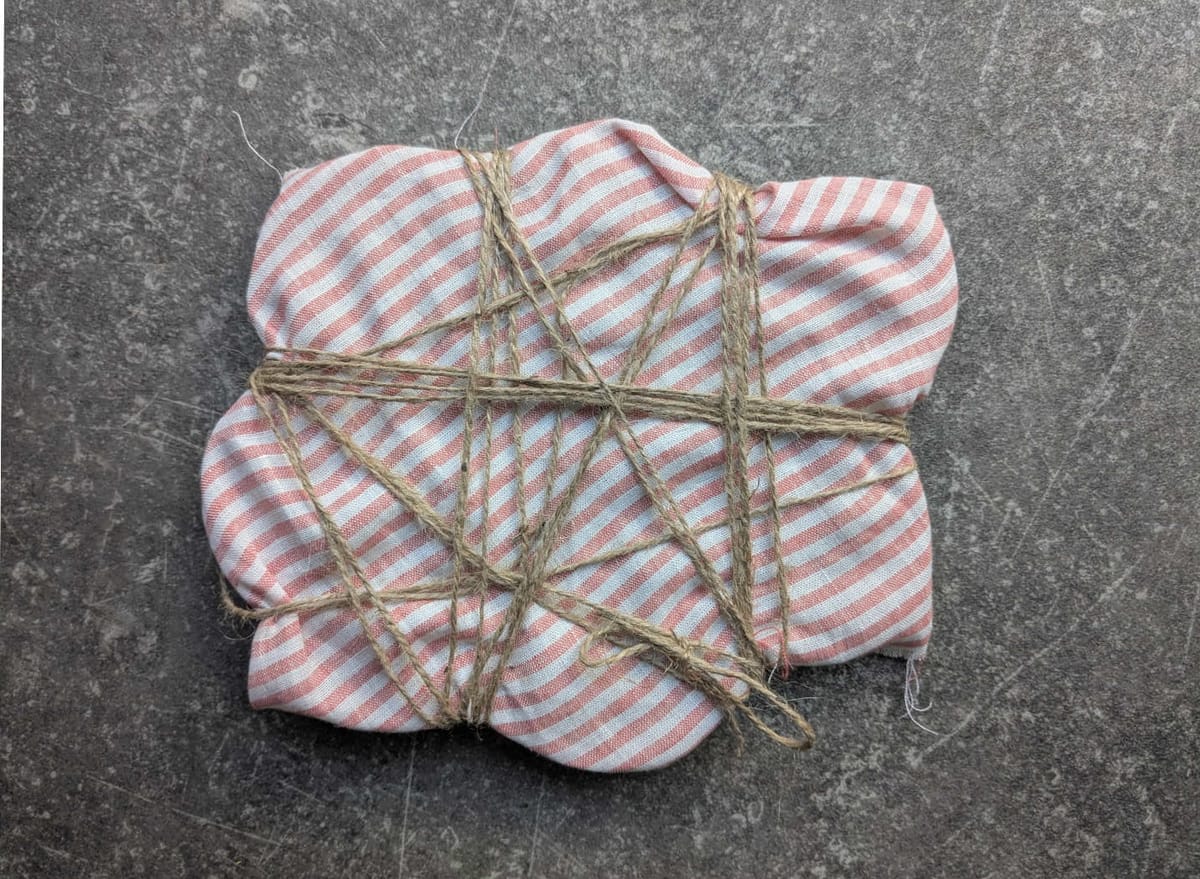
Many people come to coaching wanting clarity, direction and focus around specific goals. Traditional conversation-based coaching can absolutely support this, but it can also keep us circling the same familiar stories. When we introduce arts-based and embodied coaching approaches - drawing, collage, sound and listening, arranging objects, mapping with colour and form - we invite clients to think with their hands and senses as well as their minds. The process becomes tactile and sensory, not just verbal, which often leads to more honest insights and new perspectives.
Conventional coaching relies on verbal dialogue, but arts-based methods shift to multi-sensory engagement - thinking with hands, body and imagination. As explored in Arts-Based Coaching: Using Creative Tools to Promote Better Self-Expression and Personal Growth (Routledge, 2024), integrating visual arts, poetry, music and dance with positive psychology frameworks supports personal growth and neuroscience-backed transformation. Case studies in the book show how these tools make coaching conversations more vivid and integrative.
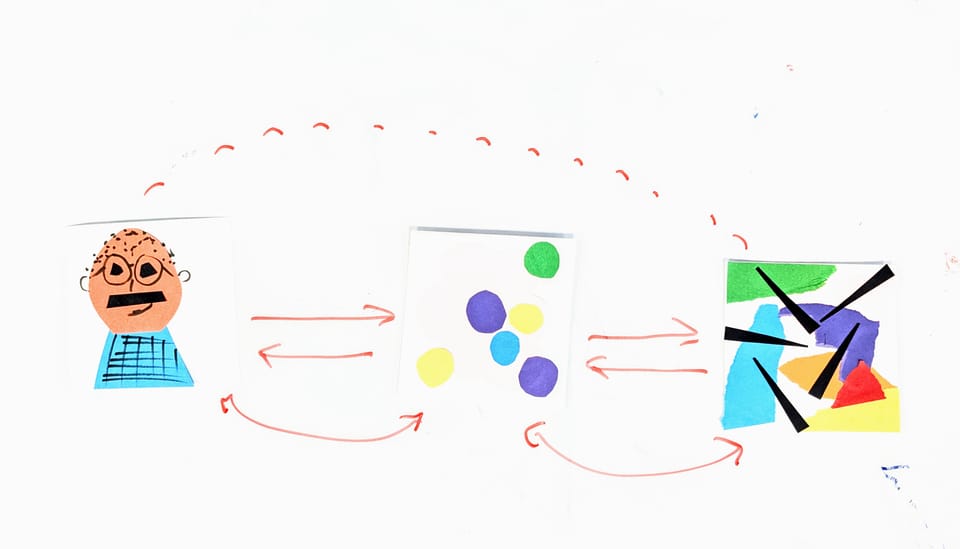
Working with materials shifts coaching from a purely cognitive activity into a creative reflective practice. As clients move things around, follow an intuitive line on the page, or build a small assemblage that “feels like” their current situation, they externalise what’s been sitting under the surface. That visual, physical representation creates enough distance to see patterns, dynamics and possibilities more clearly, and enough closeness to stay emotionally and somatically engaged.
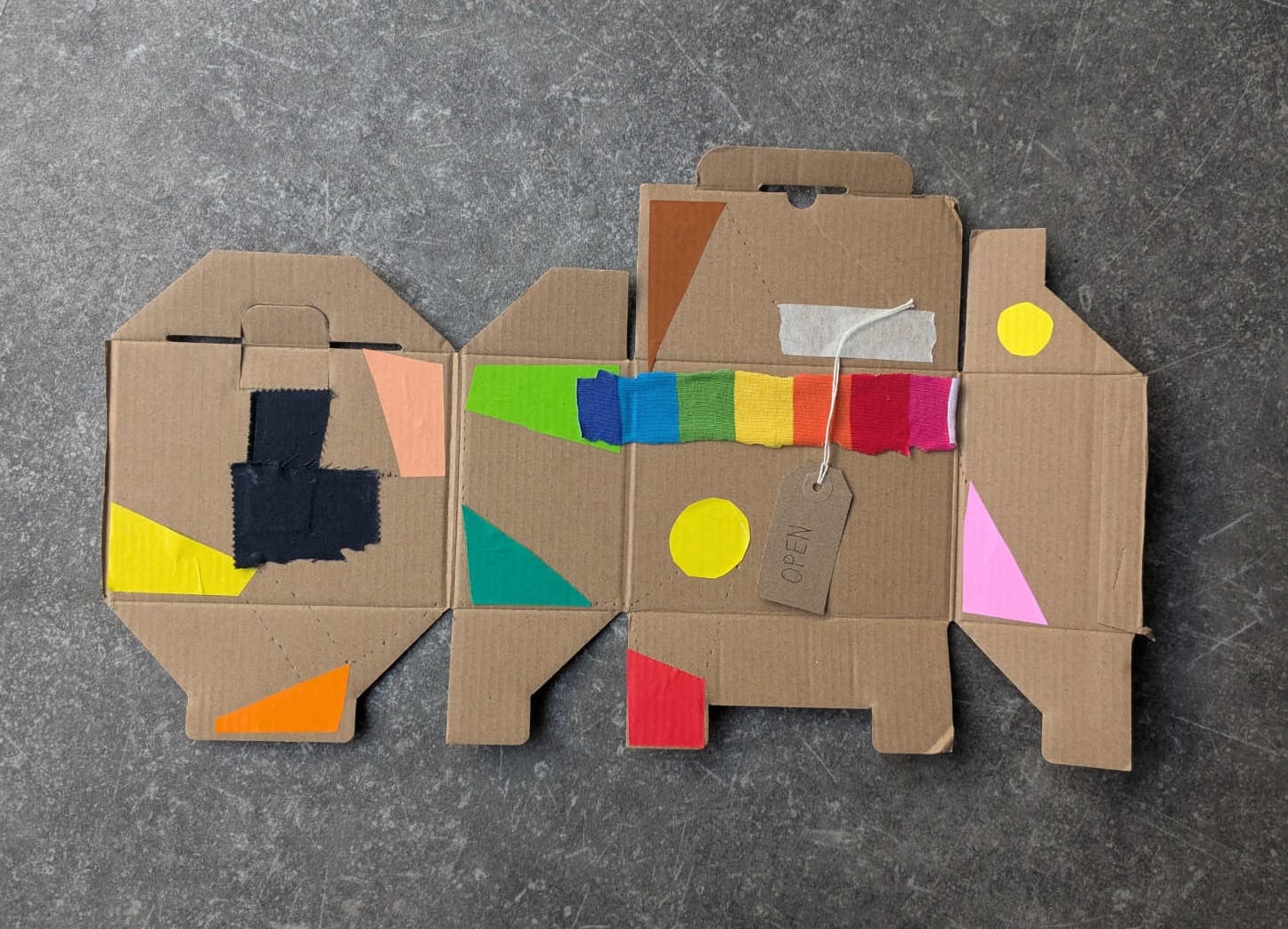
This kind of embodied coaching also helps people notice how their body is already communicating: tension and release, leaning in and pulling back, the urge to expand, contract or rearrange. When we connect these micro-movements and sensory cues with coaching objectives, clients start to align insight with action in a more grounded way. The work is no longer just about “what I should do next”, but “how I want to feel, move and show up” in relation to the change they’re making.
You do not need to identify as “creative” to benefit from arts-based coaching. The focus is not on making something that looks impressive; it’s on using images, textures, metaphors and sensory experience to access deeper layers of reflection and decision-making. For many people, this opens up a playful, low-pressure route into complex questions that might otherwise feel stuck, abstract or overwhelming.
I’m currently expanding this strand of my work, integrating arts-based methods, somatic awareness and reflective coaching for individuals and organisations who want to work in a more embodied, values-led way. If you’re curious about how creative, sensory approaches to coaching could support you or your team, I’m always happy to have a conversation about what this might look like in practice.